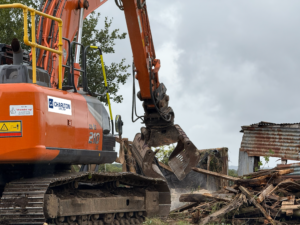
Demolition is often viewed as the first physical stage of construction, but the work that takes place before machinery arrives on site is what most heavily influences project success. Early planning allows risks to be identified, methodologies to be defined, and site constraints to be addressed before they have the opportunity to affect programme or budget.
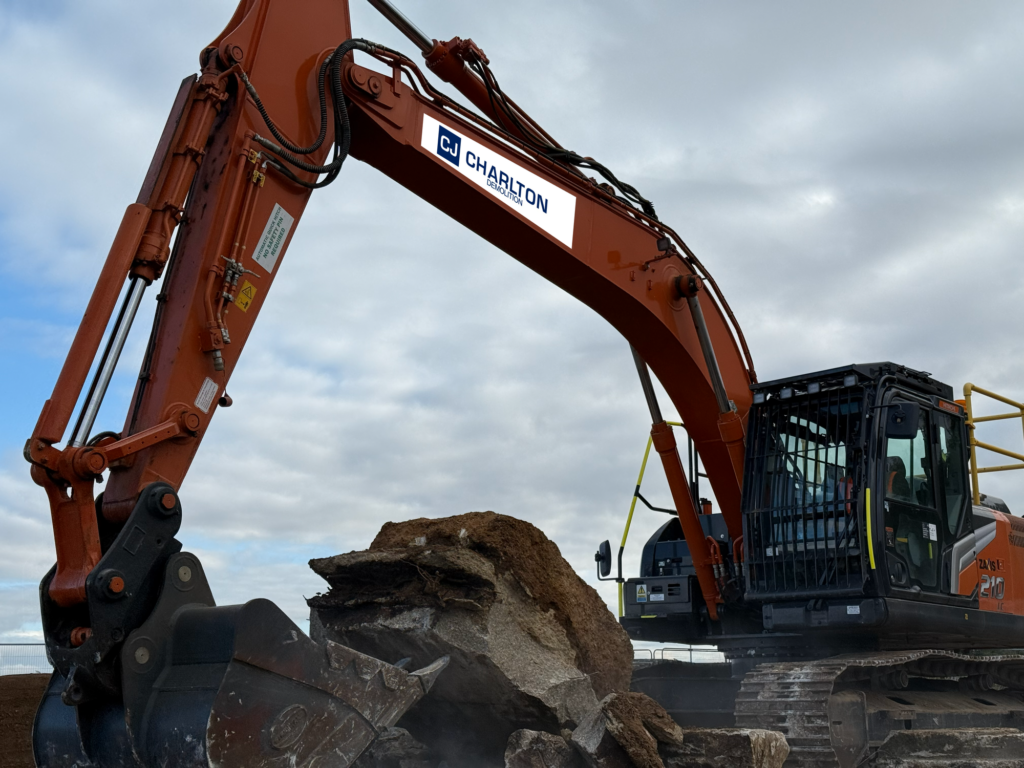
Understanding the Site
No two demolition projects are identical. Surrounding buildings, access limitations, retained structures, ground conditions, and previous site use can all influence how works should be carried out.
A thorough early assessment helps establish:
- The safest sequence of demolition
- Access and logistics requirements
- Environmental considerations
- Structural dependencies
- Waste handling routes
Addressing these factors early creates a clearer path forward once works begin.
Protecting the Construction Programme
Delays during demolition can have a direct impact on every trade that follows. When demolition is properly planned, activities can progress in a controlled manner that supports downstream construction.
Clear sequencing, realistic timeframes, and defined responsibilities help ensure the site is handed over ready for the next phase without avoidable disruption.
Managing Safety From the Outset
Demolition presents inherent risks that must be actively managed. Early preparation allows project teams to develop site-specific method statements and risk assessments tailored to the conditions at hand.
This preparation supports safer working environments and reduces the likelihood of unexpected issues once the structure begins to come down.
Improving Coordination Across Project Teams
Demolition rarely happens in isolation. It often overlaps with enabling works, surveys, remediation activities, and early ground preparation.
Engaging a demolition contractor early allows for better coordination with engineers, consultants, and principal contractors, helping align expectations before work starts on site.
Supporting Responsible Material Handling
Planning also plays an important role in how materials are managed. Identifying waste streams early allows for on-site segregation, efficient removal, and the prioritisation of recycling where practical.
This structured approach helps maintain organised working areas while supporting regulatory compliance.
A More Predictable Start
Ultimately, early demolition planning provides greater certainty. Risks are reduced, communication improves, and projects are positioned to move forward with confidence.
While demolition marks the physical beginning of redevelopment, careful preparation ensures it becomes a dependable foundation rather than a source of avoidable delay.